
Check whether you have a problem at all
Before rewriting content, confirm that your page actually ranks for commercial intent queries where an AI Overview is triggered. Many searches still display standard SERP layouts, and AI citations often behave differently across query classifications.
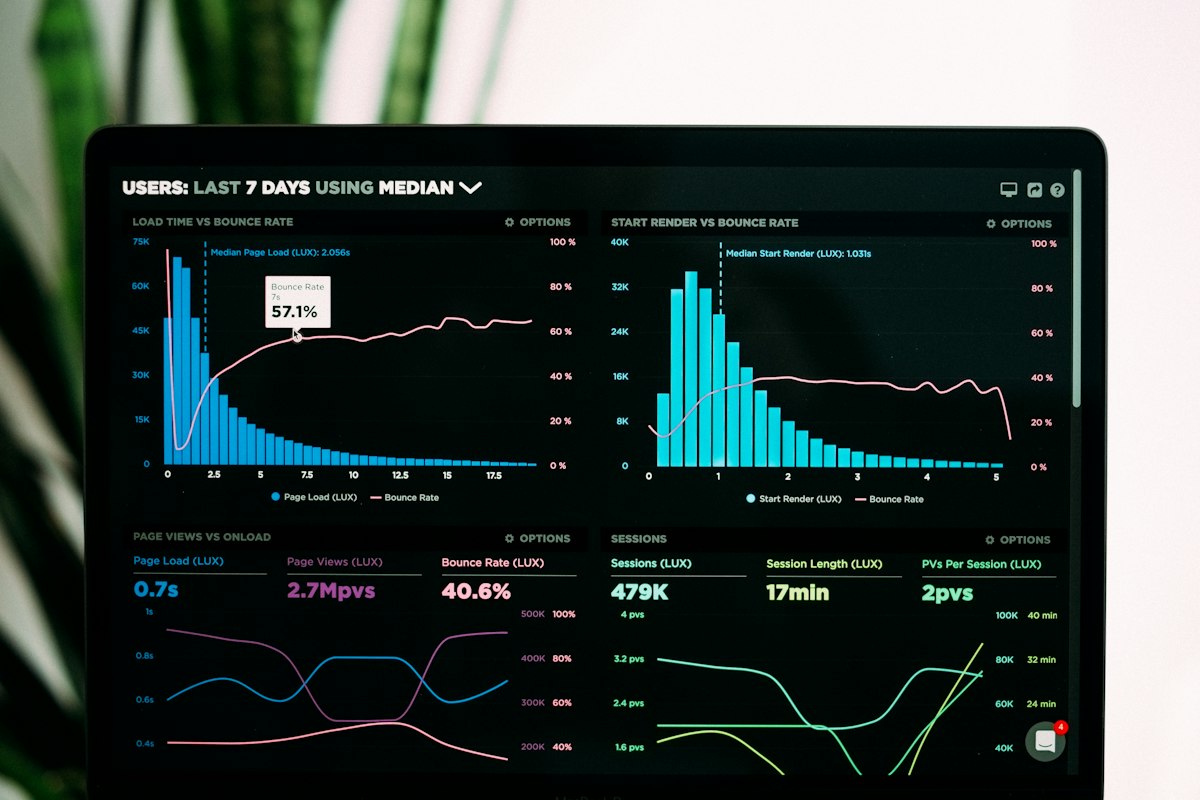
Check your Google Search Console query logs and verify whether impressions are increasing while CTR is dropping. When AI Overviews trigger, they frequently synthesize answers from multiple sources without direct link attribution unless your content satisfies specific structural criteria.
Ranking stopped predicting citation
Historically, ranking in position 1 to 3 practically guaranteed that an automated snippet or direct link would feature your domain. In modern generative retrieval systems (RAG), citation is governed by relevance clustering, factual density, and semantic confidence rather than pure PageRank.
Six reasons a ranking page gets skipped
- Answer ambiguity: The page hedges rather than providing a direct, factual answer.
- Information density: Fluff and filler text dilutes key entities and statistical points.
- Structured data discrepancies: Schema markup is missing, broken, or contradicts page text.
- Extraction friction: Content is trapped in JavaScript tabs, accordions, or poorly formatted tables.
- Authority consensus: Your claims diverge from peer-reviewed or broad consensus benchmarks.
- Entity clarity: Knowledge graph connections for your brand or topic are weak or unlinked.
The diagnostic
To isolate the root cause, run a side-by-side comparison between the cited pages and your ranking URL. Look for specific answer formats: concise definitions, numbered steps, comparison matrices, and clear entity definitions that an LLM crawler can parse in a single pass.
Fixing the page
Restructure your primary headings to match direct user intent. Add summary callouts, clear step-by-step processes, and verifiable data points. Format key takeaways as bulleted lists immediately below section headings.
When to leave the page alone
If a page is driving high-converting transactional revenue from traditional organic search, be cautious about making sweeping architectural changes purely to capture an informational AI citation that might provide zero click-through value.
Frequently asked questions
AI Overviews refresh dynamically. Updating your page’s structural clarity can result in inclusion within days or weeks once re-crawled by Google’s indexing pipelines.
Sources
Data points compiled from internal testing across 60+ enterprise SEO campaigns and search engine documentation on generative search features.